Staying Calm When Monsoon Trains Run Late
The monsoon is my favourite season to travel and the one that tests my patience the most. There is nothing like watching the rain sweep across green fields from a train window. There is also nothing quite like sitting on a platform at midnight, hours behind schedule, while water sheets off the awning. After many wet-season journeys, I have made peace with monsoon delays. The secret is not avoiding them; it is being ready for them.
Why the monsoon disrupts rail travel
Understanding why trains slow in the rains makes the delays easier to accept. Heavy downpours affect tracks, signals and visibility. Waterlogging near low-lying sections, fallen branches, and reduced speeds for safety all add up. On a network running more than 13,000 passenger trains a day, a disruption in one region ripples outward, so even a train far from the rain can arrive late.
This is not a failure of planning on your part. It is the nature of running a vast railway through a season of intense weather. Once you see delays as weather, not chaos, the frustration eases.
The check that turns panic into a plan
My most valuable monsoon habit is the live train running status check. In the rain, I check more often than usual, the night before, a few hours before leaving, and again before I step out the door. The status tells me the train’s real position and expected arrival, so I am never standing on a flooded platform wondering.
When a train is running late in the monsoon, that early knowledge buys me choices:
- I can wait comfortably at home or a café instead of the station.
- I can re-time my pickup so a driver is not stuck waiting in the rain.
- I can adjust my arrival plans before they become a problem.
What I keep in my monsoon travel bag?
The right small items turn a long wet delay from miserable into manageable. My monsoon kit:
- A compact umbrella and a light rain jacket for the dash between platform and exit.
- A dry bag or zip pouch for phone, tickets and documents.
- A power bank, because you will lean on your phone for status updates.
- Snacks and water for the hours a delay can add.
- A book or downloaded entertainment to pass the wait calmly.
- A spare pair of socks – wet feet ruin a journey faster than anything.
None of this prevents a delay. All of it makes the delay far easier to sit through.
Booking smarter for the rainy season
A good train booking decision, made before the trip, softens the impact of monsoon disruption. In the rain I adjust how I book.
| Monsoon booking habit | Why it helps |
| Prefer daytime arrivals | A delayed daytime train still arrives in usable hours |
| Avoid tight connections | Rain delays eat into transfer windows |
| Choose larger junction stations | More onward transport if you arrive late |
| Keep a flexible final day | Absorbs the cumulative slippage of a wet-season trip |
I also lean towards routes and trains with a steadier punctuality record during the monsoon, and I leave a contingency day at the end of any rainy-season itinerary.
Building delays into your plans
The travellers who struggle most in the monsoon are the ones whose plans assume everything runs on time. The travellers who enjoy it build slack in from the start.
My rules for a monsoon itinerary:
- No back-to-back tight connections. One delay should never topple the next leg.
- Buffer before anything fixed — a wedding, a flight, a booked tour.
- A spare half-day in any town reached by a delay-prone route.
- A backup mode in mind, such as a state-run bus, if a train is badly delayed.
With this slack, a three-hour delay becomes a slightly later arrival rather than a ruined day.
The mindset that makes monsoon travel a joy
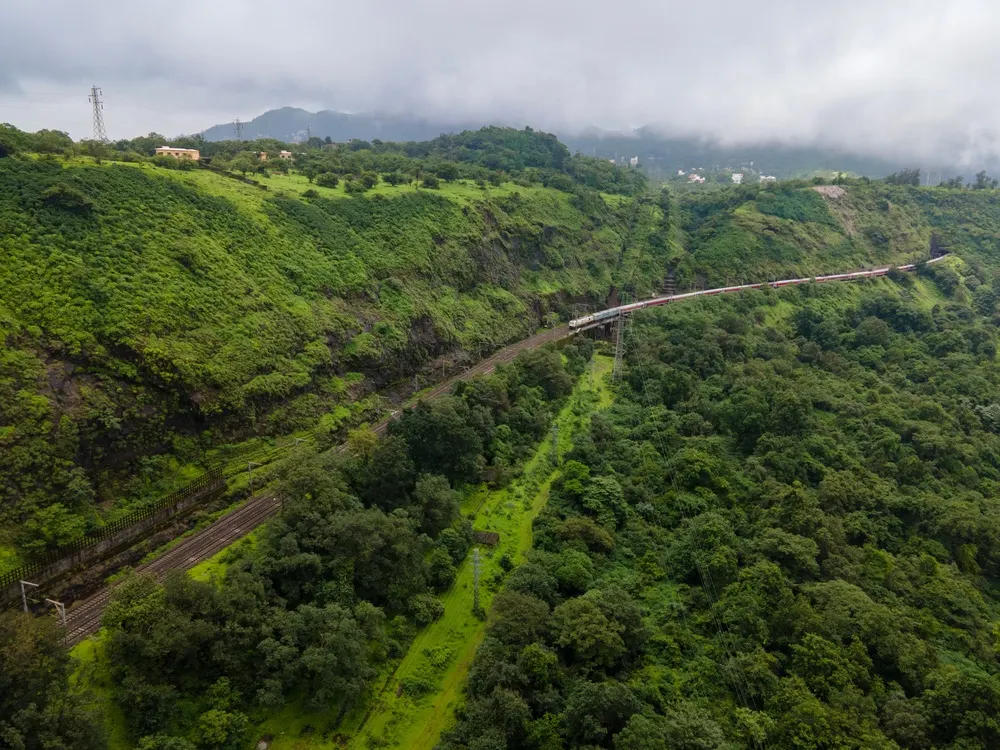
The real shift is internal. Monsoon travel rewards a certain flexibility of spirit. Some of my best travel memories come from delays: an unplanned hour at a tiny station tea stall, a conversation with a fellow passenger waiting out the same rain, the particular beauty of a washed-green landscape sliding past a streaked window.
You cannot control the weather or the railways. You can control your preparation and your attitude. Check your status, build in buffers, pack a dry bag, and then let the rain be part of the experience rather than the enemy. That is how the monsoon went from my most stressful season of travel to my most cherished.
Regions where the monsoon hits hardest
Knowing where rain disrupts travel most helps you plan buffer where it matters. The timing and intensity of the monsoon vary widely across India, so a trip through one region may sail through while another crawls. Travelling through a high-rainfall stretch in peak season calls for more slack than a journey across a drier interior.
| Region | Monsoon character |
| Western coast and Western Ghats | Very heavy rain; frequent slow-downs |
| Eastern and Northeastern India | Intense, prolonged downpours |
| Northern plains | Localised waterlogging and wet delays |
| Interior peninsular India | Generally lighter and more predictable |
If my route runs through a high-rainfall region in the peak monsoon, I add extra buffer and keep my plans loose. Through a drier interior route, I relax a little. Matching your caution to the region is far smarter than treating the whole country the same.
When to consider switching to a bus
There are moments when a delayed train is not the best option, and a flexible traveller keeps a backup mode in mind. If a train is badly delayed and a state-run bus covers the same route on a more reliable road, switching can save the day. Buses are not immune to weather, but on some routes they offer more frequent departures and reach towns the railway does not.
I weigh the switch when:
- A train delay threatens a fixed commitment I cannot move.
- The bus route avoids the worst-affected rail section.
- Departures are frequent enough that I am not trading one wait for another.
- The road itself is not the part that floods.
Keeping this option open means a single badly delayed train never strands me. The goal, as always in the monsoon, is to stay flexible and keep moving.
The reward for a little patience
Every seasoned monsoon traveller I know agrees on one thing: the season gives back more than it takes. The landscapes are greener, the air is cooler, the crowds are thinner, and the occasional delay becomes a story rather than a disaster. Prepare well, build in slack, and the rains turn from a threat into one of the finest times to travel India by rail.
Frequently asked questions
What should I do if my train is delayed by rain?
Check the live train running status for the real arrival time, then re-time your pickup and onward plans from where you are. Wait somewhere comfortable rather than a wet platform, and stay flexible.
Are monsoon train delays common in India?
Yes. Heavy rain affects tracks, signals and visibility, and on such a large network a disruption in one region can delay trains elsewhere. Plan with buffer time during the rainy season.
How can I reduce the impact of monsoon delays?
Prefer daytime arrivals, avoid tight connections, choose larger junction stations, and keep a flexible final day. Checking your train status frequently lets you adjust before a delay becomes a real problem.
Is it worth travelling by train during the monsoon at all?
Absolutely. The scenery is at its most beautiful, and with sensible booking, buffer time and a calm mindset, occasional delays are a small price for one of the most rewarding seasons to travel India by rail.
Which months are the monsoon season in India?
The southwest monsoon broadly runs from June to September across most of India, with regional variation. Some areas, such as parts of the southeast, also receive a northeast monsoon later in the year, so check the timing for your specific route.
Should I avoid train travel entirely in the monsoon?
No. With daytime arrivals, buffer time and a simple status-check habit, monsoon rail travel is rewarding rather than risky. The greener landscapes, cooler air and thinner crowds more than make up for the occasional weather delay along the way.